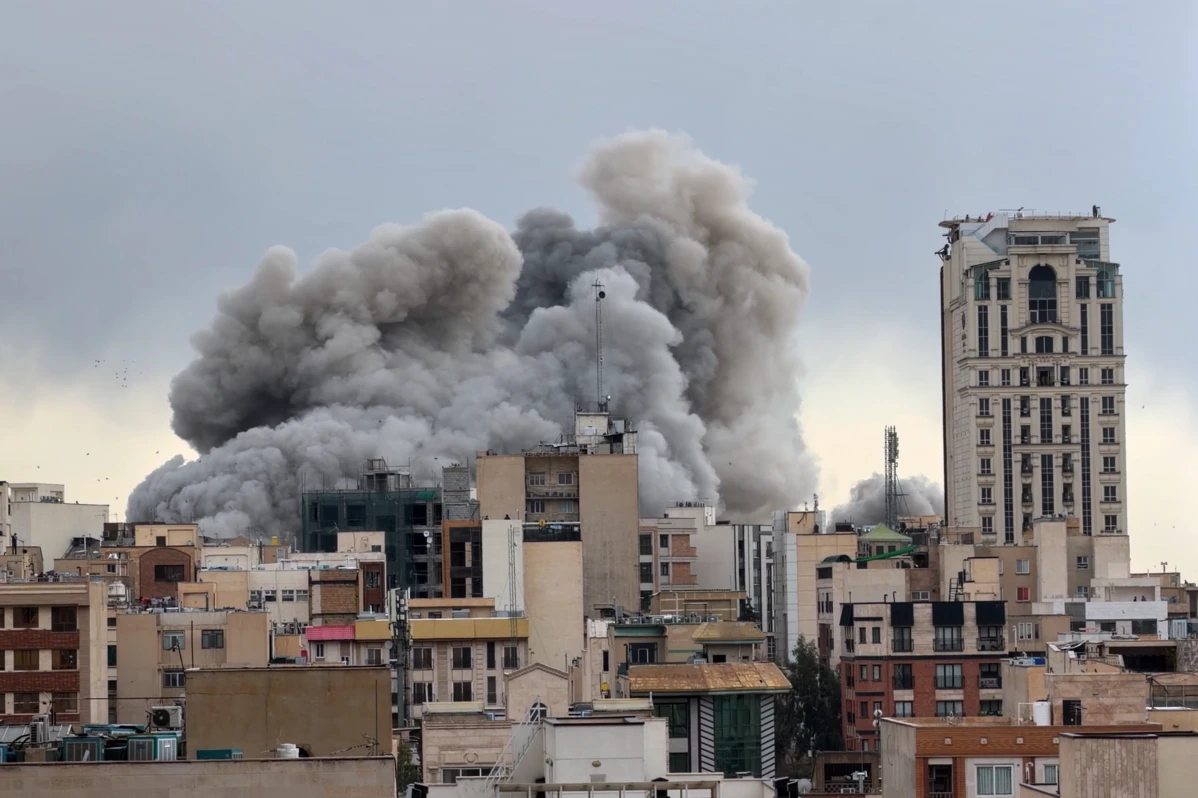

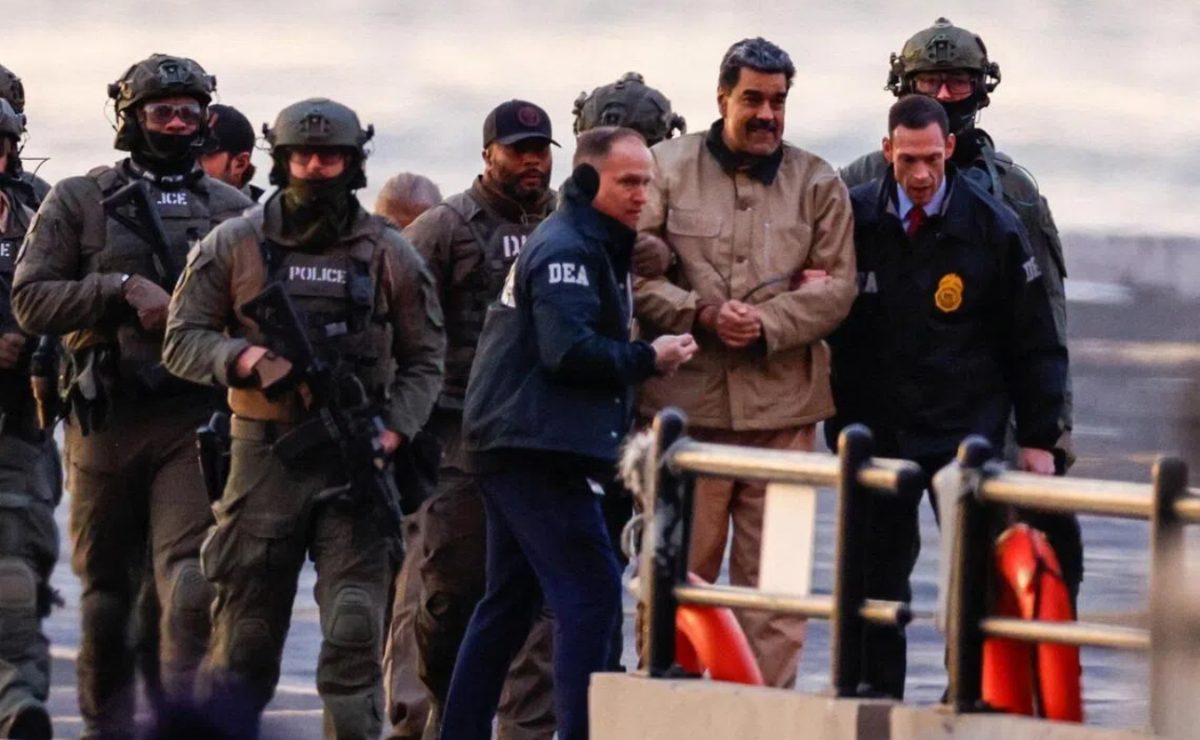
On January 3, 2026, U.S. military forces conducted an operation involving airstrikes and a special forces assault in Venezuela, resulting in the capture of President Nicolás Maduro and his wife, Cilia Flores.
Both individuals were transported to the United States and appeared in federal court in New York on charges of drug trafficking and weapons offenses, to which they pleaded not guilty.
The U.S. government justified the operation by pointing to Maduro’s long-standing drug trafficking indictments against him and his alleged ties between his government and narcotic networks, framing it as part of the larger scale “war on drugs.”
“Maduro was never the president of Venezuela,” wrote U.S. Senator Rick Scott on X. “He’s a thug and narco-terrorist whose regime enacted terror on the people of Venezuela and sent drugs into our country to kill our kids and grandkids.”
U.S. officials have stated that Venezuela’s recent elections are not credible and that Maduro’s government lacked legitimacy due to delayed election results.
“We have seen the announcement just a short while ago by the Venezuelan Electoral Commission — we have serious concerns that the result announced does not reflect the will or the votes of the Venezuelan people,” said Antony Blinken a former lawyer and deputy secretary of state.
Many legal experts and governments argue the operation violated international law because it bypassed the United Nations and intervened in another sovereign nation militarily without prior self-defense justification.
“Attacking another country, with a blatant violation of international law, is the first step toward a world of violence, chaos, and instability, where the law of the jungle replaces multilateralism,” said President of Brazil Luiz Inácio Lula da Silva in a conversation with Colombian president Gustavo Petro.
Some critics directed concerns of the U.S government allegedly involving themselves to secure Venezuelan oil rather than solely combating drug trafficking.
According to The Washington Post, the U.S. seeks to weaken adversaries such as China, Cuba, Iran, and Russia by restricting their access to Venezuelan oil, underscoring strategic and economic interests in the region.
“The U.S. views the Western Hemisphere as its domain, it views its control over natural resources as its purview, and it discounts the presence of any other country involved in trade and commerce with Latin America other than itself,” said Miguel Tinker Salas, a Venezuelan American historian and the author of “The Enduring Legacy: Oil, Culture, and Society in Venezuela”.
The capture of Maduro has created uncertainty regarding Venezuela’s future and has initiated a larger debate about the limits of U.S. power abroad. U.S. officials defend the operation as a justified response to drug trafficking, election fraud, and regional security threats.
“They don’t care about Venezuelan democracy. They care about the expansion of their power, the hegemony, and access to the oil industry,” Salas said.
As global reactions continue and legal challenges develop, the operation raises a central question: whether Maduro’s removal will promote stability and accountability in Venezuela or exacerbate regional tensions and distrust toward U.S. intervention in Latin America.