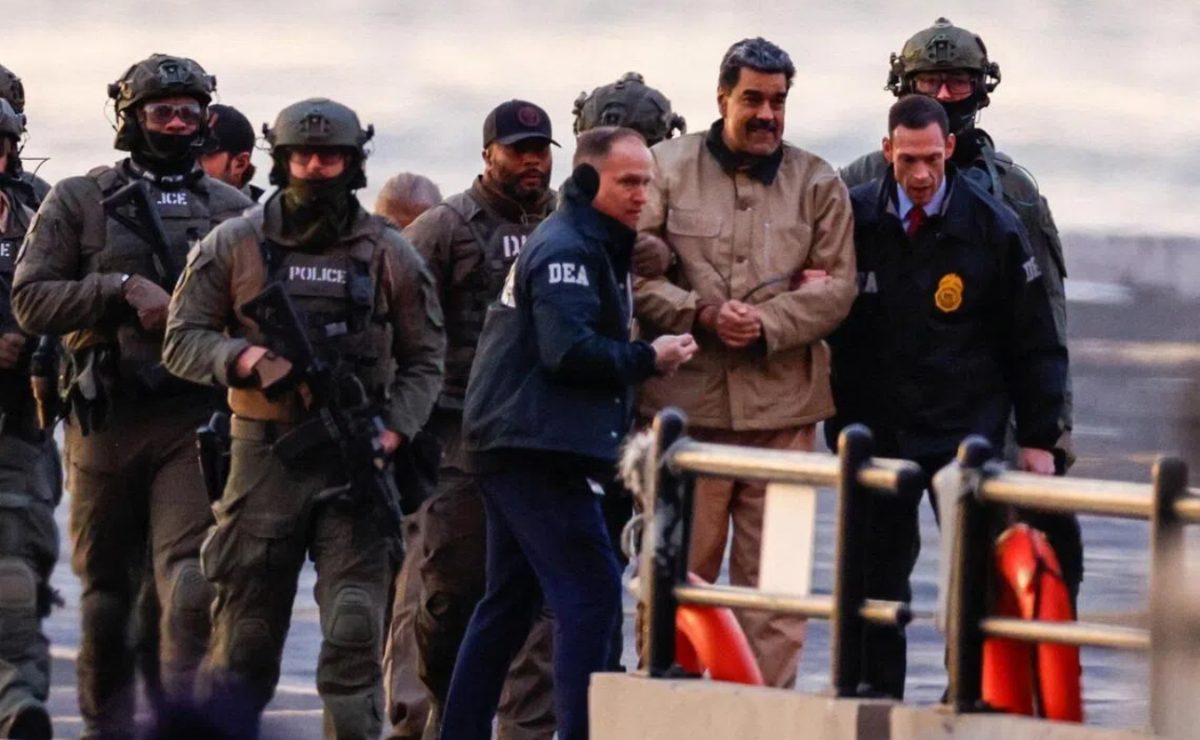


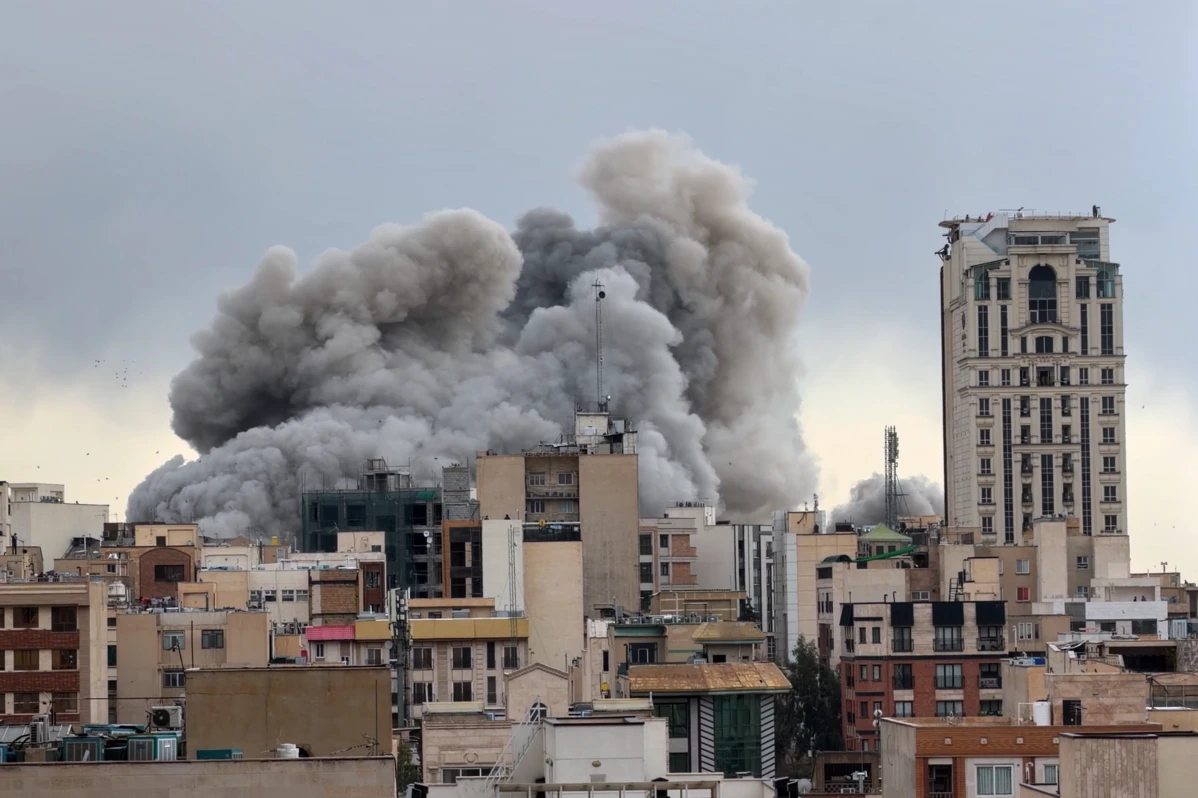
The United States and Israel launched airstrikes on Iran’s military and nuclear facilities in late February 2026, causing Iran to launch missiles and drones on U.S bases.
This escalation in the Middle East is already affecting people around the world, especially through rising gas prices, travel disruptions, and economic instability.
A large portion of the world’s oil supply moves through the Strait of Hormuz, and conflicts have inflicted shipment blockages and rising gas prices.
“While there is no physical blockade, threats from the Iranians, plus drone and missile attacks, mean tankers are not going through the strait,” Arne Lohmann Rasmussen, chief analyst at Global Risk Management, said.
Several countries have closed their airspace to avoid potential attacks, forcing airlines to cancel flights or take longer routes.
“The airlines based in the Middle East have created purpose-based airlines and hubs to connect the world,” Mike Arnot, an aviation industry consultant, said. “If the hubs in the Middle East are disrupted, you’re competing for seats [on alternate routes] with everyone else.”
Rising fuel prices has slowed transportation on goods, leading to higher prices for everyday items.
“The combination of tighter financial conditions, more uncertainty and higher inflation is going to erode growth,” Gregory Daco, EY-Parthenon chief economist, said. “If this conflict becomes more severe or prolonged, then [people] would see a more visible risk of a downturn in the economy.”
The U.S and Iran conflict has left a major impact and is projected to leave a shock for millions of people if conditions are not met.
“Given that different players have different incentives, international institutions can play a critical role in stabilizing domestic fragility by moving settlement of disputes away from battlefields and toward global platforms,” Quy-Toan Do, a World Bank senior economist, said.